Disaster management is a critical field that requires rapid response and efficient resource allocation. In recent years, blockchain technology has emerged as a transformative solution for enhancing disaster preparedness, response, and recovery efforts. This article delves into how blockchain can be applied to disaster management through various case studies and real-world applications.
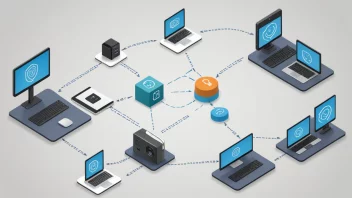
One of the core advantages of blockchain technology is its decentralized and immutable nature. This ensures that data related to disasters, such as location, resources, and logistics, can be shared securely among various stakeholders, including government agencies, NGOs, and local communities. For instance, during the aftermath of a natural disaster, blockchain can facilitate the verification of aid distribution, ensuring that resources are allocated fairly and transparently.
A notable case study is the use of blockchain in the aftermath of Hurricane Harvey in 2017. Organizations like the Red Cross utilized blockchain to streamline the donation process, allowing donors to track where their contributions were going. This increased transparency helped build trust and encouraged more donations, which were crucial for recovery efforts.
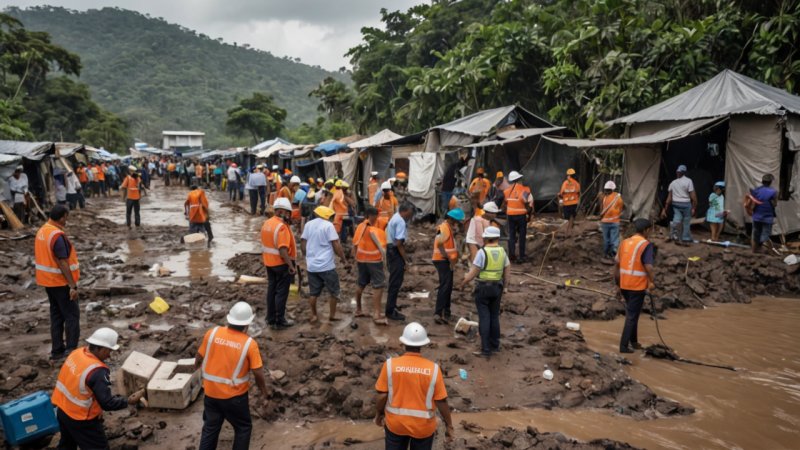
Another innovative application of blockchain in disaster management was seen in the 2018 earthquake in Indonesia. The government partnered with blockchain startups to create a decentralized platform for collecting and sharing real-time data about the disaster. This platform allowed for better coordination among relief agencies and improved the speed and efficiency of response operations.
Blockchain can also play a significant role in enhancing data integrity during disaster management. With the use of smart contracts, automated processes can be implemented to ensure that aid is delivered only when specific conditions are met, thereby reducing the risk of fraud or mismanagement of resources. For example, a smart contract could automatically release funds to a disaster relief organization once it verifies the completion of a specific task, such as the delivery of food or medical supplies to affected areas.
Furthermore, blockchain can empower local communities by providing them with tools to document their needs and resources. By leveraging mobile applications built on blockchain technology, residents can report damages, request assistance, or offer help to others in their community. This grassroots approach can enhance community resilience and ensure that aid efforts are tailored to the actual needs of affected populations.
In conclusion, the application of blockchain technology in disaster management presents numerous opportunities for improving the effectiveness and transparency of response efforts. The case studies from Hurricane Harvey and the Indonesian earthquake illustrate the potential of blockchain to facilitate better coordination, enhance data integrity, and empower local communities. As the technology continues to evolve, its integration into disaster management strategies could lead to more resilient and responsive systems capable of saving lives and resources during crises.