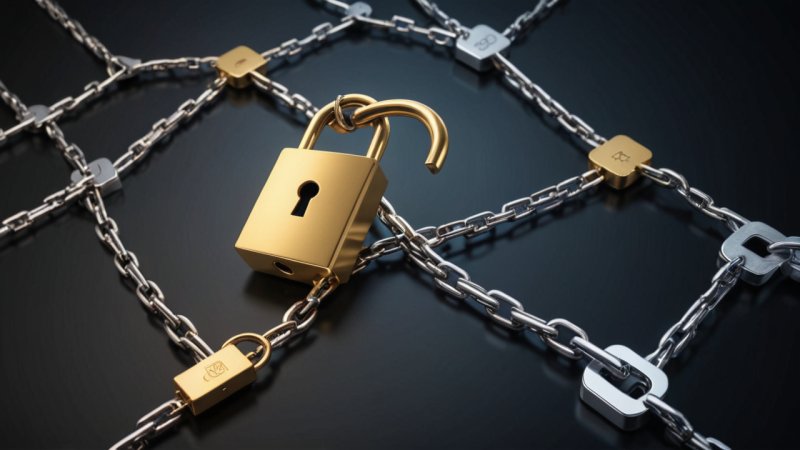
What is Blockchain Technology?
Blockchain technology is a decentralized digital ledger that records transactions across many computers in such a way that the registered transactions cannot be altered retroactively. This ensures the integrity and transparency of data while providing a secure method for storing information. Its ability to offer privacy and security makes it a critical technology for protecting digital privacy.
How Does Blockchain Enhance Digital Privacy?
Blockchain enhances digital privacy through its decentralized nature, encryption techniques, and user control over personal data. By distributing data across a network of computers, it reduces the risk of centralized data breaches. Furthermore, data is encrypted, making it difficult for unauthorized users to access sensitive information.
What are the Key Features of Blockchain that Support Privacy?
- Decentralization: Eliminates single points of failure and reduces the risk of data manipulation.
- Cryptographic Security: Uses cryptographic algorithms to secure data, ensuring that only authorized parties have access.
- Transparency and Immutability: Once data is recorded, it cannot be changed, ensuring a permanent and verifiable record.
- Smart Contracts: Automate processes and transactions without the need for intermediaries, enhancing privacy and reducing risks.
Can Blockchain Protect Personal Data?
Yes, blockchain can protect personal data by allowing users to have control over their information. With techniques such as zero-knowledge proofs, users can prove they possess certain information without revealing the data itself. This is particularly useful in scenarios where identity verification is necessary without exposing sensitive details.
What are Some Real-World Applications of Blockchain in Privacy Protection?
- Healthcare: Blockchain can securely store patient records, ensuring privacy while allowing authorized medical personnel to access necessary information.
- Voting Systems: Implementing blockchain in elections can enhance transparency and reduce fraud while protecting voter anonymity.
- Supply Chain Management: Companies can use blockchain to track products while maintaining the privacy of proprietary information.
- Digital Identity Management: Blockchain can provide a secure way to manage and verify identities without the risk of data theft.
What Challenges Does Blockchain Face in Ensuring Privacy?
While blockchain technology provides significant privacy benefits, it also faces challenges. Some of these include:
- Scalability: As the number of transactions increases, maintaining speed without compromising privacy becomes difficult.
- Regulatory Issues: Different jurisdictions have varying regulations regarding data privacy, which can complicate blockchain implementation.
- Public vs. Private Blockchains: The level of privacy protection can vary significantly between public and private blockchains, with public blockchains often being less private.
How Can Individuals Utilize Blockchain for Their Privacy?
Individuals can utilize blockchain for privacy protection by using decentralized applications (dApps) that prioritize user data security. By engaging with platforms that leverage blockchain technology for data storage and transactions, individuals can maintain greater control over their personal information.
What is the Future of Blockchain in Digital Privacy?
The future of blockchain in digital privacy looks promising, with ongoing developments aimed at improving privacy features. Innovations like privacy-focused cryptocurrencies and enhanced encryption methods are being explored. As awareness of digital privacy grows, more industries are likely to adopt blockchain solutions, leading to broader acceptance in protecting personal data.
In conclusion, blockchain technology holds significant potential for protecting digital privacy. By offering decentralized, secure, and transparent solutions, it empowers individuals to control their personal data while minimizing risks associated with data breaches and unauthorized access.