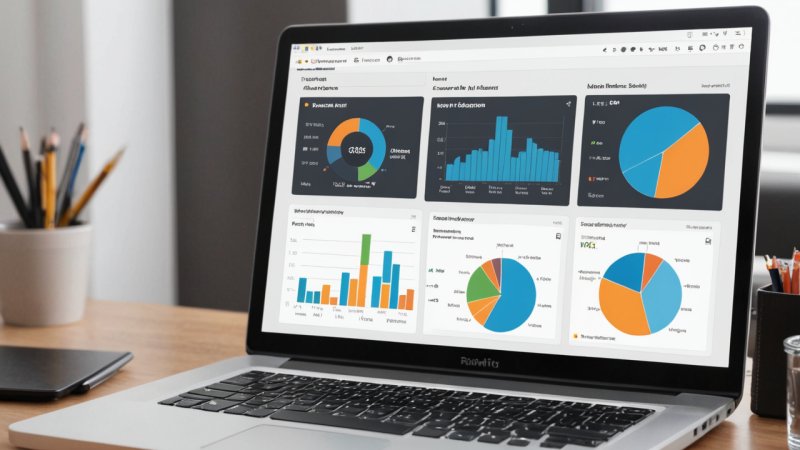
Monitoring and measuring the performance of software development projects is essential for ensuring that teams work efficiently and meet their objectives. By choosing the right Key Performance Indicators (KPIs), organizations can gain valuable insights into their development processes, improve productivity, and enhance overall project outcomes. In this article, we will explore five crucial metrics that every software development team should consider when tracking their performance.
1. Velocity
Velocity is a fundamental metric in Agile development that measures the amount of work a team completes in a given iteration, typically measured in story points or hours. It helps teams understand their capacity and allows for better planning in future sprints.
- Calculation: To calculate velocity, sum the total story points of all completed user stories in a sprint.
- Importance: Understanding velocity helps teams forecast how much work can be realistically completed in upcoming sprints, leading to more accurate project timelines.
2. Lead Time and Cycle Time
Lead time and cycle time are crucial metrics that measure the efficiency of the development process. Lead time refers to the total time from when a feature is requested until it is delivered, while cycle time specifically measures the time taken to complete work from when development begins to when it is completed.
- Lead Time: Includes all phases of development, from conception to delivery.
- Cycle Time: Focuses on the active development phase.
Tracking these metrics helps teams identify bottlenecks in their workflow and optimize their processes for faster delivery.
3. Code Quality Metrics
Code quality is a critical aspect of software development that directly affects maintainability and performance. Metrics such as code coverage, complexity, and the number of code smells are used to evaluate the quality of the codebase.
- Code Coverage: The percentage of code that is tested by automated tests. Higher coverage often indicates a more reliable codebase.
- Cyclomatic Complexity: Measures the complexity of the code by evaluating the number of linearly independent paths. Lower complexity is typically easier to maintain.
- Code Smells: Indicators of potential problems in the code that may need refactoring.
By regularly assessing code quality, teams can reduce technical debt and improve overall software stability.
4. Team Satisfaction and Engagement
While technical metrics are critical, the satisfaction and engagement of the development team are equally important. High team morale often leads to increased productivity and creativity, making it essential to measure team sentiment.
- Surveys: Conducting regular surveys to gauge team satisfaction can provide valuable feedback.
- One-on-One Meetings: Engaging with team members individually can help identify issues and foster a positive work environment.
By focusing on team well-being, organizations can retain talent and encourage a more collaborative atmosphere.
5. Defect Density
Defect density measures the number of confirmed defects divided by the size of the software component, typically measured in lines of code (LOC) or function points. This metric provides insight into the quality of the software being produced.
- Calculation: Defect Density = (Number of Defects) / (Size of Software)
- Importance: A lower defect density indicates higher quality software, while a higher defect density may signal the need for process improvements or additional testing.
Monitoring defect density can help teams identify areas that require more attention and improve the overall quality of the software.
In conclusion, the right software development metrics empower teams to enhance their processes, deliver quality products, and foster a positive work environment. By focusing on velocity, lead time and cycle time, code quality, team satisfaction, and defect density, organizations can not only track their performance but also drive continuous improvement in their development practices.